Türkiye · Ankara
The First Parliament and Ankara's Museums: A Day in the Footsteps of the Republic
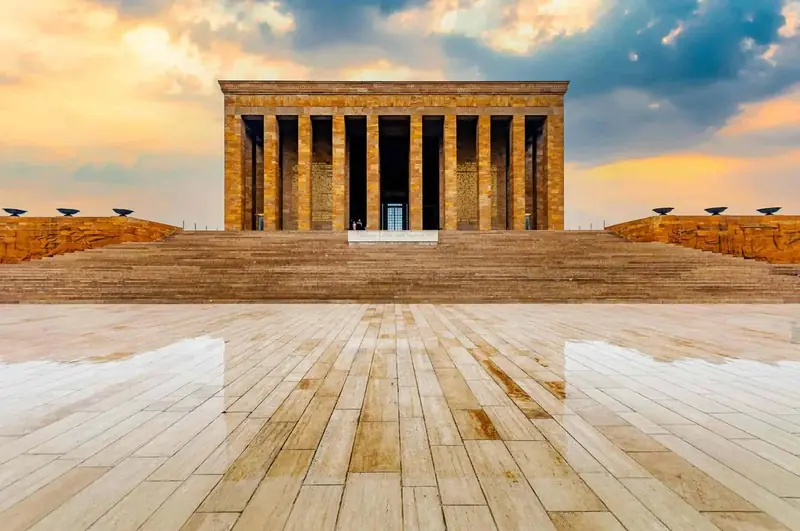
The must-see places in Ankara after Anıtkabir are clustered within walking distance of each other in the Ulus district: the First Parliament building, from which the War of Independence was directed; the Second Parliament building, which hosted the early years of the Republic; the Museum of Anatolian Civilisations, which tells Anatolia's thousands of years of history; and the Ethnography Museum. These four stops easily fill an afternoon and a morning.
Ulus: the district where the Republic was born
Known today as Ankara's old centre, Ulus was where the heart of the new state beat in the 1920s. The parliament buildings, the first ministries, hotels and banks rose in this area. The Victory Monument in Ulus Square and the surrounding early Republican buildings still convey the district's past today.
The First Parliament: War of Independence Museum
History
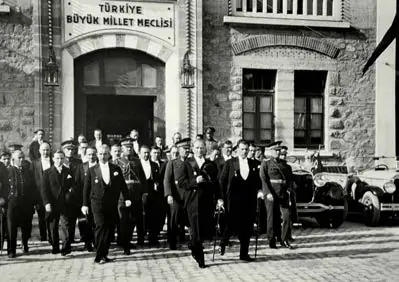
The Grand National Assembly of Türkiye opened in this building on 23 April 1920. The political and military decisions of the War of Independence were taken here, and the war was directed from this hall. The Republic was also proclaimed in this building on 29 October 1923.
What can you see?
The most striking part of the building is the assembly hall. The wooden benches, the rostrum and the simple interior show vividly how limited the means were with which the new state was founded. Looking at the benches where the deputies of the time sat and thinking about the decisions taken in this simple setting is the most memorable moment of the visit.
The other rooms display documents, photographs and objects from the War of Independence period. Some of the offices of the time are also displayed as they were arranged in those years.
The Second Parliament: Republic Museum
Close to the First Parliament, this building was built to meet the assembly's growing needs and was used as the parliament building for many years in the early Republican period. Its architecture is grander than that of the First Parliament and is a fine example of the style common in the early Republican period, which used Ottoman and Seljuk decorative elements.
Now serving as the Republic Museum, the building lets you see the assembly hall and documents and photographs on the reforms of the early years of the Republic. Visiting the two parliament buildings one after the other lets you follow, step by step, the path from the War of Independence to the founding of the Republic.
Museum of Anatolian Civilisations
At the foot of Ankara Castle, housed in a restored Ottoman-era covered market (bedesten) and han, this museum tells the story of Anatolia's past from prehistory to the classical age in chronological order.
Sections to look out for as you go round:
- Prehistoric periods: Finds from the Palaeolithic and Neolithic ages, especially pieces from Çatalhöyük.
- Bronze Age: Vessels, jewellery and tools from Anatolia's first settled cultures.
- Hittite period: Large stone reliefs and distinctive works of Hittite art are among the museum's most impressive sections.
- Phrygian and Urartian periods: Wood and metalwork, jewellery and everyday objects.
As the museum presents a long span of time in one compact building, it is like "Anatolia's history book" for students. Seeing the civilisations named in textbooks side by side within an hour helps fix the chronology in their minds.
Ethnography Museum
The Ethnography Museum focuses on Anatolia's folk culture: traditional clothing, jewellery, carpets, kilims, handicrafts and examples of woodwork are on display.
The museum has another important feature: after Atatürk's death in 1938, his body was kept temporarily in this building until Anıtkabir was completed. This section is a place where visitors pause in respect. The statue of Atatürk in the square in front of the museum is also an important part of the building.
A look at Ankara Castle
As the Museum of Anatolian Civilisations is right at the foot of Ankara Castle, you can add the castle to the same walk. The narrow streets around the castle, restored old Ankara houses and small shops show the city's pre-Republican face. Looking out from the castle walls, you see Ulus and modern Ankara together. As a castle visit is not specifically listed in the catalogue programme, if you would like to add it, we agree the timing together at the quotation stage.
In what order should you visit?
The Ankara Tour programme brings these stops together in a logical order. You set off at night, arrive in Ankara in the morning and have breakfast. The first stop of the day is Anıtkabir, followed by the War of Independence Museum and the First and Second Parliament buildings. After the lunch break you visit the Museum of Anatolian Civilisations and the Ethnography Museum, and in the evening you set off for Istanbul.
This order completes the history of the Republic in the morning and moves on to Anatolia's older past in the afternoon. For the Anıtkabir part, have a look at our Anıtkabir visitor guide.
Visiting tips
- The halls in the parliament buildings are small. Large groups go in turn; listening to the guide's talk before entering the hall makes things easier.
- Museum visiting rules and opening days may change. Once the date is confirmed, we check the programme against the current situation.
- Walking distances around Ulus are short, but as the Museum of Anatolian Civilisations is at the foot of the castle, there is a gentle slope.
Frequently asked questions
Where is the First Parliament building?
The First Parliament building is in Ankara's Ulus district and now serves as the War of Independence Museum. The Second Parliament building is close by.
When did the First Parliament open?
The Grand National Assembly of Türkiye opened in this building on 23 April 1920. The Republic was also proclaimed in this same building on 29 October 1923.
What is in the Museum of Anatolian Civilisations?
Works from prehistory through the Bronze Age to the Hittite, Phrygian and Urartian periods are displayed in chronological order. The Çatalhöyük finds and the Hittite reliefs are among the most popular sections.
What is the Ethnography Museum's connection with Atatürk?
Atatürk's body was kept temporarily in the Ethnography Museum building until Anıtkabir was completed.