
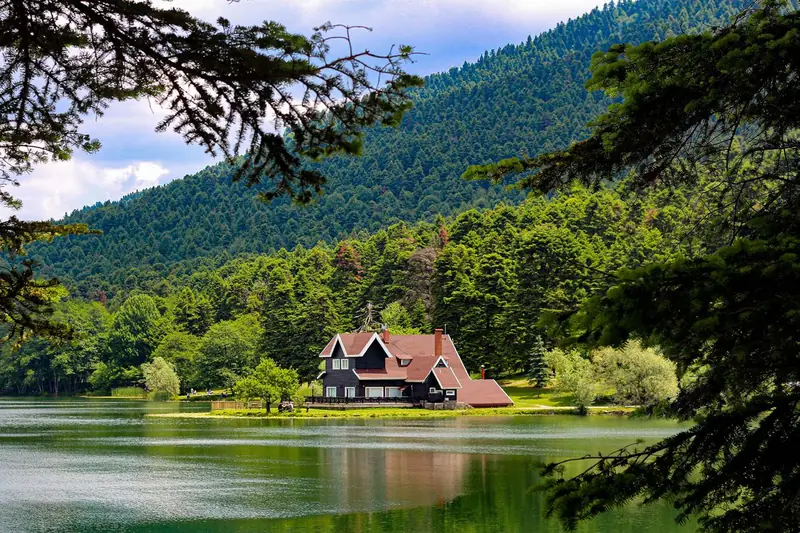
 Day trip
Abant, Maşukiye and Gölcük Tour
Maşukiye, Abant Lake, Lake Gölcük
A commemorative trip that follows the traces of 1915, the martyrs' cemeteries and the batteries on the Gallipoli Peninsula with a guide.
The price is prepared according to your dates, group size and preferences.
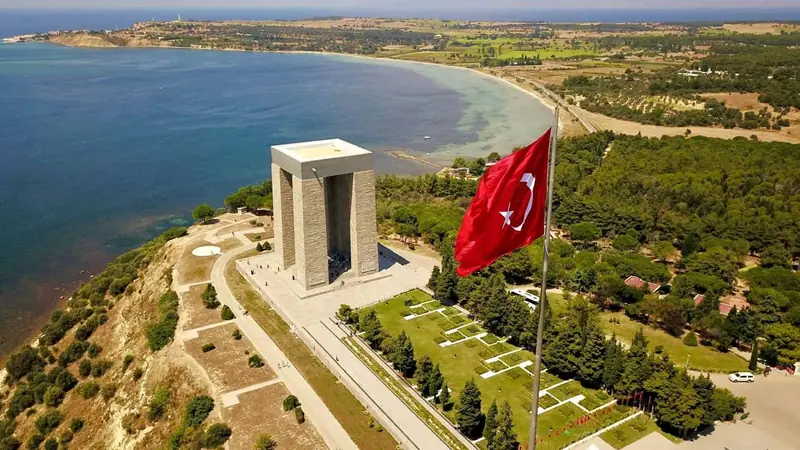
You leave Istanbul at midnight and reach Eceabat in the morning. On the Gallipoli Peninsula you visit Kilitbahir, the Mecidiye Batteries, the Corporal Seyit Memorial and Şahindere Martyrs' Cemetery.
After the Çanakkale Martyrs' Memorial, Morto Bay, Seddülbahir, Sergeant Yahya Martyrs' Cemetery and Ertuğrul Cove, you move on to the Anzac area.
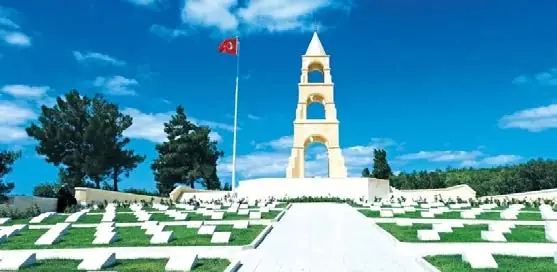
You walk on the Anzac heights and visit the 57th Regiment Memorial, Chunuk Bair (Conkbayırı) and the spot where Atatürk was hit in the watch.
Send us your dates and group size for Çanakkale and we will tailor the programme to your group.
Times follow the programme in the catalogue; there may be small changes depending on traffic, weather and the group's pace.
Departure from Istanbul
Arrival in Eceabat
Kilitbahir, Mecidiye Batteries, Corporal Seyit Memorial, Şahindere Martyrs' Cemetery
Çanakkale Martyrs' Memorial, Morto Bay, Seddülbahir, Sergeant Yahya Martyrs' Cemetery, Ertuğrul Cove
Walk on the Anzac heights, 57th Regiment Memorial, Chunuk Bair (Conkbayırı), the spot where Atatürk was hit in the watch
Departure for the return journey
Arrival in Istanbul
A 41.7 m memorial on Hisarlık Hill above Morto Bay, at the southern tip of the Gallipoli Peninsula. Doğan Erginbaş, İsmail Utkular and Ertuğrul Barla won the 1944 competition, and the memorial opened on 21 August 1960. It was built in memory of the Turkish soldiers who fought in the Gallipoli Campaign.
Built in 1992 in memory of the 57th Infantry Regiment, which suffered heavy losses in the counter-attack against the Anzac landing of 25 April 1915. The regiment's commander was Major Hüseyin Avni Bey; Mustafa Kemal's words "I do not order you to attack, I order you to die" were addressed to this regiment.
One of the summits of the Sarıbayır ridge; briefly captured by the Allied forces in August 1915, the hill was retaken on 10 August by troops under Mustafa Kemal's command. The spot where the watch in his pocket stopped a piece of shrapnel aimed at his chest is marked here. The New Zealand memorial, opened in 1925, also stands on the hill.
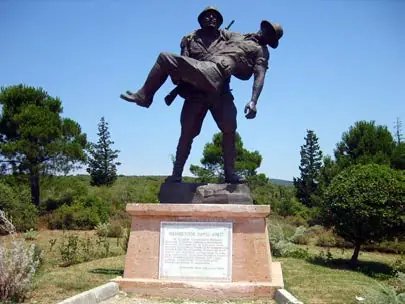
Seyit Ali Çabuk (Corporal Seyit) was an artilleryman from Havran, known for carrying a 276 kg shell to the gun at the Mecidiye battery during the naval operation of 18 March 1915. His statue, showing him with the shell on his back, was erected in 1992 just south of Kilitbahir Castle.
A village and castle on the Gallipoli Peninsula, directly opposite Çanakkale city centre. Kilitbahir Castle was built by Sultan Mehmed the Conqueror in 1463 to control the narrowest point of the strait.
A village and castle at the southern tip of the Gallipoli Peninsula. Seddülbahir Castle was built in 1657–1659 by Hatice Turhan Valide Sultan; the first Turkish soldiers to fall on the Çanakkale front died here in the bombardment of 3 November 1914. After restoration work that began in 2015, it opened to visitors on 18 March 2023.
The cove where soldiers of the Australian and New Zealand Army Corps (ANZAC) landed on 25 April 1915. Its name was officially recognised by the Turkish government as 'Anzac Cove' in 1985. A dawn service is held every year on 25 April at the nearby commemorative site.
Located at Ertuğrul Cove, opposite the Ertuğrul Battery, it was built by the Ministry of Culture in 1992. It is dedicated to Sergeant Yahya of Ezine, who took over command when his company commander fell during the British landing of 25 April 1915, and to the soldiers who defended the cove.
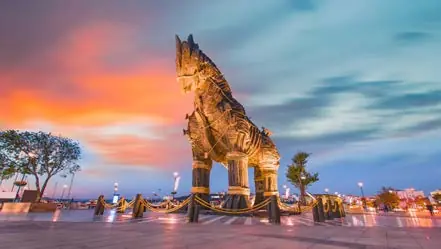
Çanakkale has hot, dry summers and cool, rainy winters; the wind is strong all year, especially in winter. Spring and autumn suit a day spent outdoors; the region gets very crowded during the 18 March and 25 April commemorations.
A trip that takes the Gallipoli Campaign out of the textbook and onto the battlefield. It is one of the most meaningful programmes for high school groups; students are briefed on remembrance and etiquette in advance.
Yes. The catalogue also includes a separate 1-night, 2-day Çanakkale programme with accommodation that covers Troy and Assos as well.
The programme includes a walk on the Anzac heights. Comfortable shoes and clothing suited to the season are recommended.
Çanakkale has hot, dry summers and cool, rainy winters; the wind is strong all year, especially in winter. Spring and autumn suit a day spent outdoors; the region gets very crowded during the 18 March and 25 April commemorations.
What is covered for transport, guiding, admission fees and meals is stated in writing in the quote, according to your dates, group size and preferences. Services marked as extras in the catalogue are charged separately.
The departure point is planned according to the group's location. Whether pick-up from your school, workplace or another point you choose is possible is confirmed at the quote stage.
You can fill in the form on this page, message us on WhatsApp or call 0212 232 09 80. Sharing your dates, group size and, if applicable, your school or organisation details will speed up the quote.
Get a quote
Tell us your dates, group size and, if applicable, your school or organisation details, and we will prepare the programme and price for your group and get back to you.
Travel agency with licence number A-12881, since 2012
Tours in Türkiye
Day tripMaşukiye, Abant Lake, Lake Gölcük
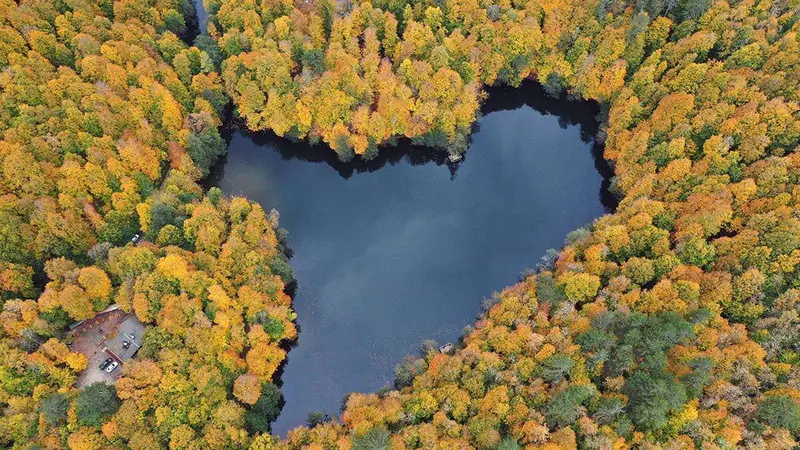 Day trip
Yedigöller National Park, Büyükgöl, Deringöl, Nazlıgöl
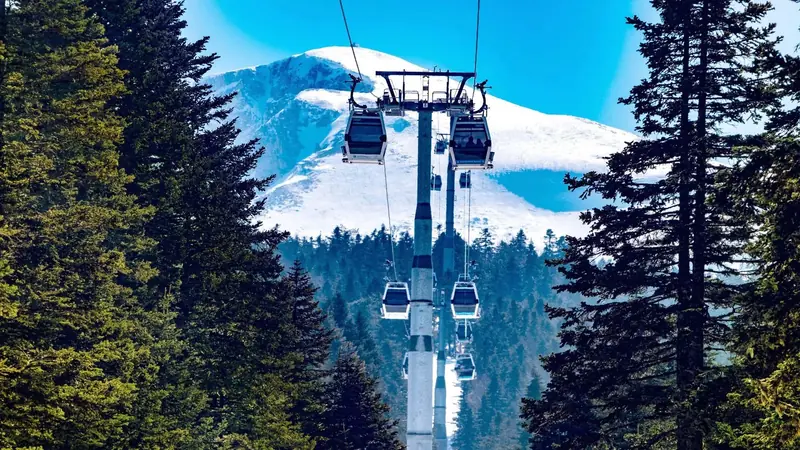 Day trip or 2 days
Uludağ Ski and Leisure Centre, Cumalıkızık, Bursa Grand Mosque, the Green Mosque and the Green Tomb