
International · Uzbekistan
When to Go to Uzbekistan: Spring, Summer, Autumn and Winter
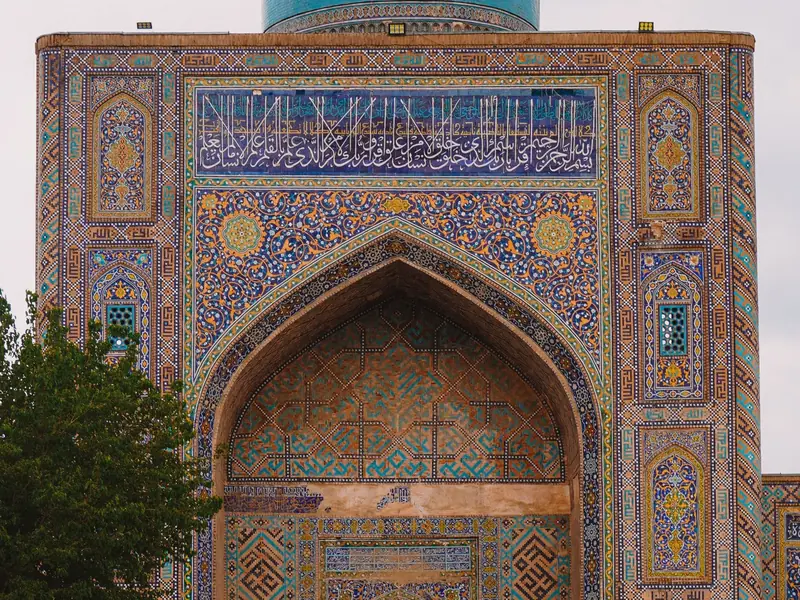
The most comfortable times to visit Uzbekistan are spring (April to May) and autumn (September to October): the days are mild, walking around open-air monuments for hours is easy and the markets are full of seasonal fruit. Summer (June to August) is very hot and dry because of the continental climate; winter is cold with occasional snow, but crowds are at their lowest.
Tashkent, Samarkand and Bukhara lie in an inland region far from the sea, so they have a typical continental climate: hot summers, cold winters and a marked difference between day and night. As most of the monuments on your route are outdoors, your choice of season directly determines how comfortable your trip will be.
Spring (March to May)
March can still be cool, but in April and May the weather is ideal for sightseeing. Trees blossom, and the cities' parks and courtyards turn green. Walking all day around Registan Square, among the mausoleums of Shah-i-Zinda or through the streets of Bukhara is not tiring.
- Pros: Mild weather, green landscapes, long days.
- Note: Around Navruz, celebrated on 21 March, the cities are full of festivities and bustle; this can add extra colour to your trip but can also increase crowds in some places.
- Packing: Light clothes for the day, a jacket or cardigan for the cool evenings.
Summer (June to August)
Summer is very hot, especially in cities on the edge of the desert such as Bukhara. The air is dry, so it feels different from a hot, humid summer, but staying outdoors for long in the midday hours is hard.
If you are going in summer:
- Schedule open-air monuments for the early morning and late afternoon; rest in a museum, covered bazaar or at the hotel around midday.
- The domed bazaars (toks) of Bukhara, with their shade, are a lovely refuge in the midday hours.
- Use a hat, sunglasses and sunscreen, and drink water often.
Pros: It is the season of plenty for fruit such as melons, watermelons, grapes and apricots; the markets are very lively.
Autumn (September to October)
This is when the heat recedes and the weather turns gentle again, and for many travellers it is, together with spring, the best time to go. The markets are full of harvest produce; melons and grapes are especially delicious at this time. Towards the end of October the evenings become noticeably cooler.
Packing: Light clothes for the day, a thick cardigan or light jacket for the evenings.
Winter (November to February)
Winters are cold, with occasional snow. Days get shorter and outdoor sightseeing is kept shorter. On the other hand, the tourist sites are quiet; a snow-covered Registan or tiles gleaming in the winter sun offer a different photographic experience.
- Pros: Fewer crowds, a calm city experience.
- Cons: Cold weather, short days, some outdoor activities limited.
- Packing: A thick coat, hat, gloves and waterproof shoes.
Packing tips for any season
- Comfortable shoes: Most monuments have stone- or brick-paved ground.
- Modest clothing: Clothes covering the shoulders and knees for visits to mosques, madrasas and mausoleums. Women should carry a headscarf.
- Layers: Because of the continental climate, the difference between morning and midday can be large.
- A small backpack: For water, sunscreen and a shawl.
Train journeys and the seasons
Journeys between Tashkent, Samarkand and Bukhara are made by train. From Tashkent to Samarkand takes about 2 to 2.5 hours on the Afrosiyob high-speed train, and from Samarkand to Bukhara about 1.5 to 2 hours by train. As the trains are air-conditioned, the journey is comfortable in summer too. Watching the steppe and cotton fields from the window is also a lovely way to see the seasons change.
Advice for groups
For school groups, the spring holiday weeks are the most comfortable times, and for company and cultural tour groups, April to May and September to October. TatiliYakala's Uzbekistan tour: Tashkent, Samarkand and Bukhara lasts 5 nights, 6 days; the programme includes the Hast Imam complex in Tashkent, the Registan, Gur-e Amir and Shah-i-Zinda in Samarkand, and the historic centre of Bukhara. For this new route not in the catalogue, we confirm the timing and details with you at the quote stage. You can find general information for school groups on our school trips page.
For the cities on the route, take a look at our articles on places to visit in Samarkand, the Bukhara travel guide and, for the food, the Uzbek cuisine guide.
For visa and entry requirements, check the current situation with Uzbekistan's official sources and the Republic of Türkiye Ministry of Foreign Affairs before you travel.
Festivals and special days
Besides Navruz, the cities are also busy during Eid al-Fitr (Ramazan Bayramı) and Eid al-Adha (Kurban Bayramı); as their dates change every year, check them when planning.
Frequently asked questions
What is the best month to go to Uzbekistan?
April, May, September and October are generally the most comfortable months. At these times the weather is mild, the days are long and exploring the open-air monuments is a pleasure.
Is Uzbekistan very hot in summer?
Yes, summer is very hot and dry, especially in cities on the edge of the desert such as Bukhara. By shifting sightseeing to the mornings and evenings, you can complete the programme in summer too.
Can you go to Uzbekistan in winter?
You can; the tourist sites are quiet and the monuments under snow look quite different. But you need to be well prepared for the cold weather and short days.
How many days should you plan for a trip to Samarkand?
Five or six days is a reasonable length to see Tashkent, Samarkand and Bukhara together. One and a half to two days in Samarkand is enough for the main sights.
Can you travel in Uzbekistan during Ramadan?
Yes; the tourist sites stay open. Some restaurants may change their hours, and being discreet in public during the day is a respectful approach.