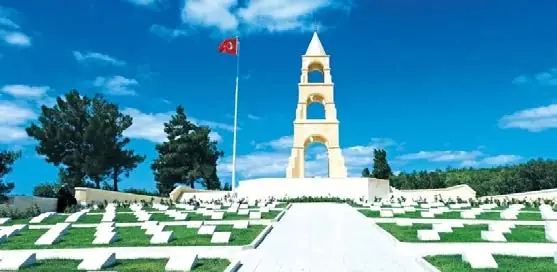
Türkiye · Çanakkale
Çanakkale School Trip Guide: Preparation and Programme for Teachers
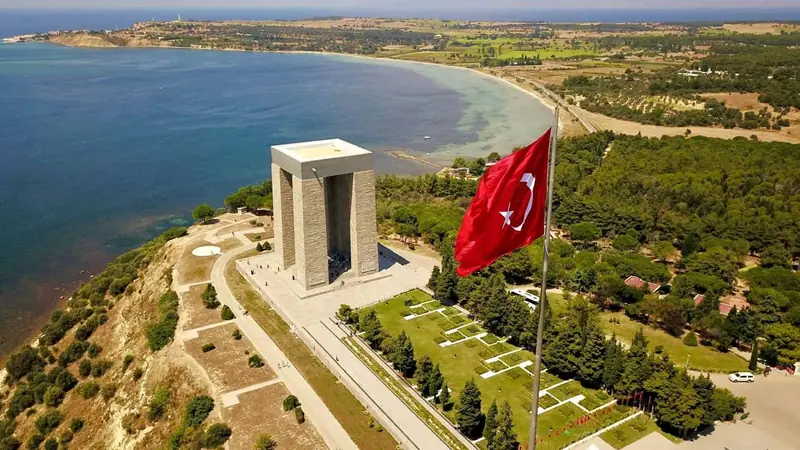
What makes a Çanakkale school trip worthwhile is the preparation done in class before boarding the coach. If students have already discussed 18 March and 25 April 1915, Corporal Seyit and the 57th Regiment, every stop on the Gallipoli Peninsula becomes a page from a textbook. For high school groups, the day trip is the usual choice; for younger ages or a calmer pace, the option with an overnight stay is worth considering.
We have put together this step-by-step guide for teachers and administrators planning the trip.
1. Which programme should you choose?
Our catalogue has two programmes for Çanakkale:
- Çanakkale Martyrs' Memorials Tour: A day trip leaving at midnight and lasting about 22 hours. You arrive in Eceabat in the morning and visit the peninsula's main martyrs' cemeteries, fortifications and memorials, from Kilitbahir to Conkbayırı (Chunuk Bair).
- Çanakkale, Troy and Assos Tour: 1 night, 2 days, with hotel accommodation. Assos, Troy and Çanakkale city centre on the first day; a full day on the Gallipoli Peninsula on the second. Dinner and breakfast at the hotel are included in the programme.
The day trip is practical for high school groups where the school takes a single day off and students are used to overnight travel. The programme with an overnight stay means the visits to the martyrs' cemeteries are made early in the morning with a rested group. If ancient history is also part of your curriculum, adding Troy and Assos to the same trip is especially worthwhile.
2. Preparation in the classroom
We recommend setting aside one or two lessons before the trip. The following topics will resonate with students on site:
- The naval battles and 18 March: Why the Dardanelles were so important, the role of the coastal fortifications, and the mines laid by the minelayer Nusret.
- The land battles and 25 April: The landings at Seddülbahir (Cape Helles) and Arıburnu, and the conditions of trench warfare.
- People and stories: Corporal Seyit, Sergeant Yahya, the 57th Regiment, and the watch in Mustafa Kemal's pocket at Conkbayırı.
- The other side: The Anzac soldiers and the commemoration ceremonies held every year on 25 April. Reading together the words inscribed on the memorial at Arıburnu helps students understand the people on both sides of the war.
Giving students a short observation sheet to fill in on site works well. Open-ended questions such as 'What was the most striking thing you saw at this stop?' provide material for a short class discussion on the coach on the way back.
3. Rules of conduct at the memorial sites
Before it is a place to visit, the Gallipoli Peninsula is a place of remembrance. Discuss these rules with students before the trip:
- At the martyrs' cemeteries we are quiet; no running, no joking around.
- We do not touch or sit on gravestones, memorials or flowers.
- Photos and videos may be taken, but a respectful attitude is expected when posing; filming fun content for social media is not appropriate.
- No littering; we take back whatever we bring.
If your school would like to lay flowers or hold a short moment of silence, mention it at the quote stage; we will plan the timing together according to the programme.
4. Information for parents
In the information note sent with the parental permission form, include the following:
- Departure and estimated return times (on the day trip, departure at midnight and arrival late at night).
- That the programme includes walking, notably a steep route at Anzac Hill.
- What to bring: comfortable shoes, layered clothing suited to the season, a hat, a water bottle and a small pillow for the journey.
- That students on regular medication should bring it with them and inform their teacher.
- Where lunch and snacks fit in the programme. We confirm in writing in the quote what meals the day trip covers.
It also helps to add two or three sentences explaining the purpose of the trip to the note. When parents know why their child is travelling overnight and walking all day, it is easier for them to support it.
5. Practical notes for the day of the trip
- On the overnight journey, it helps to agree on the lighting and noise on the coach at the start so that students can sleep.
- There is little shade on the peninsula. In early summer and early autumn you feel the sun; in winter and spring, the wind.
- Do a head count at every stop so the group doesn't scatter; assigning a responsible student to each small group makes things easier.
- Gathering the group in a semicircle during the guide's commentary, so that students at the back can hear too, is a good habit.
Which year groups is it suitable for?
In our catalogue, the Çanakkale Martyrs' Memorials Tour stands out as one of the most meaningful programmes for high school groups. It also works for middle school groups; in that case, bear in mind that the programme with an overnight stay offers a more balanced pace. You can find general planning information on school trips on our school trips page. If you are unsure which season to choose, our article when to go to Çanakkale will help.
Frequently asked questions
How many days should a Çanakkale school trip last?
For high school groups, the day trip is common. If you also want to see Troy and Assos, or reduce the tiredness of overnight travel, the 1-night, 2-day programme with an overnight stay is more balanced.
Which subjects can a Çanakkale trip be linked to?
It links directly to history, History of the Turkish Revolution and Kemalism, social studies and literature lessons. The Troy and Assos stops in the programme with an overnight stay also open the door to ancient history and philosophy topics.
What should students wear on a Çanakkale trip?
Comfortable walking shoes, layered clothing and, depending on the season, a hat or windbreaker are recommended. A simple, neat appearance is appropriate when visiting the martyrs' cemeteries.
Can a commemoration be held on behalf of the school?
If you would like to hold a short commemoration, such as laying flowers or a moment of silence, mention it in your quote request. We agree the right stop and timing together according to the programme.