Türkiye · Çanakkale
When to Go to Çanakkale: Gallipoli and Troy Season by Season
The most comfortable times to visit Çanakkale are spring and autumn: the weather is good for walking, and the hills of the peninsula are neither scorching nor freezing. March and April, however, also include the busiest weeks of the year because of the 18 March and 25 April commemorations. If you want a quiet visit, consider spring days outside these dates, or September and October.
Below we explain what each season means for the Gallipoli Peninsula, Troy and Assos.
Spring: green hills and commemoration weeks
From late March to May the peninsula turns green, wildflowers bloom and walking becomes a pleasure. Most schools' trip calendars also fall in this period.
Two dates make spring special:
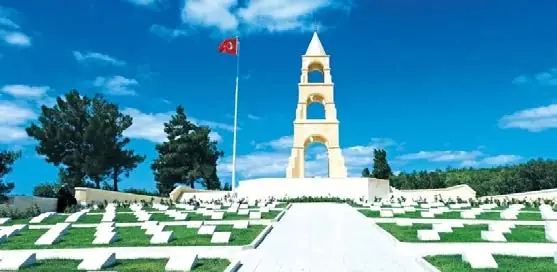
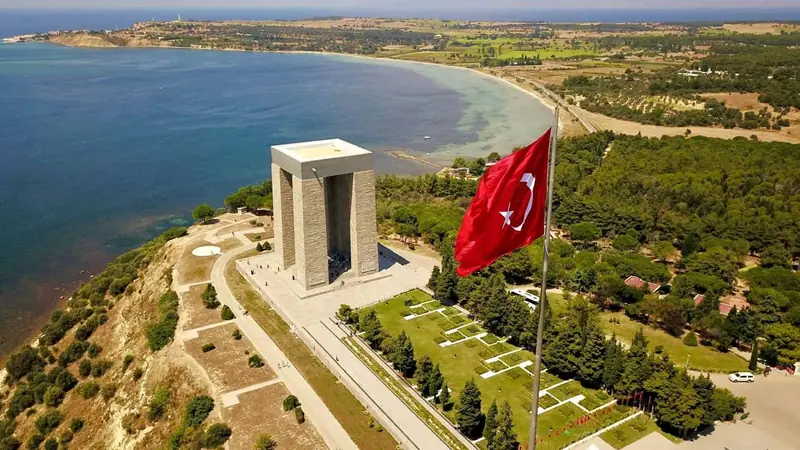
- 18 March: The anniversary of the Çanakkale naval victory. Official ceremonies are held on the peninsula, above all at the Çanakkale Martyrs' Memorial, and visitor numbers rise noticeably.
- 25 April: The anniversary of the land landings. Dawn services are held at Arıburnu and Anzac Cove, and the area becomes very crowded with visitors from Australia and New Zealand.
Seeing the peninsula during these weeks can be moving, as you experience the atmosphere of remembrance. On the other hand, access to some areas may be regulated on ceremony days and the roads may be busy. If you want to go with your group on these dates, we work out the programme together at the quote stage according to the current situation.
What to wear: Dress in layers. Mornings can be cool and middays sunny. Always have a light jacket or windbreaker with you; a folding umbrella or raincoat is useful for spring showers.
Summer: long days, hot hills
In June, July and August the days are long, so you don't need to economise on daylight. However, there is little shade on the peninsula, and walking in the open at midday can be tiring. At high points such as Conkbayırı (Chunuk Bair) and Anzac Hill, the wind brings a little coolness, but the sun is strong.
In summer Assos gains a special appeal; the Aegean coast and the view from the ancient city make a pleasant stop for those who want to cool off at the end of the day. In Troy, where shade is limited, a morning or afternoon visit is preferable.
What to wear: Light-coloured, breathable clothes, a wide-brimmed hat, sunscreen and a water bottle that is always full. For visits to the martyrs' cemeteries, avoid very revealing clothing; a top that covers the shoulders is enough.
Autumn: calm and balanced
September and October are often overlooked for a Çanakkale trip, but they are a very good time. The summer heat has eased and there are none of the spring commemoration crowds. It is also good timing for trips that schools make at the start of the new term.
From November the weather cools and the chance of rain increases, but it is still a good time to visit. You need to allow for the shorter daylight; being on the peninsula early in the morning becomes important to fit in all the stops.
What to wear: A light jacket, closed shoes and a thin jumper. In late October and November, a waterproof outer layer is useful.
Winter: quiet and windy
In December, January and February the peninsula is very quiet. With fewer visitors you may find yourself alone at the martyrs' cemeteries and feel the weight of the memorial sites more deeply. On the other hand, wind from the Dardanelles and rain can make a day spent outdoors difficult. Ferry services are also more likely to be affected by the weather in this season.
What to wear: A thick coat, hat, gloves and waterproof shoes. On winter trips, a programme with an overnight stay helps you make the best use of the daylight.
Which programme suits which season?
The Çanakkale Martyrs' Memorials Tour day trip leaves at midnight and arrives in Eceabat in the morning, so it spends the daylight hours on the peninsula; this is why it also works in the months when days are short. Still, if you want a more balanced pace in winter and late autumn, the 1-night, 2-day Çanakkale, Troy and Assos Tour is a good option: on the first day you visit Assos, Troy and Çanakkale city centre, and the second day is devoted entirely to the peninsula.
In summer, the programme with an overnight stay gives you the flexibility to visit Troy and Assos before or after the midday heat. To help you decide on the length, also take a look at our article how many days for a Çanakkale tour.
Packing list for every season
- Comfortable walking shoes that are already broken in
- Water bottle and small snacks
- A layer suited to the season: windbreaker, jumper or hat
- Sunglasses and sunscreen (useful in winter too)
- A neck pillow for the overnight journey
Frequently asked questions
What is the best month to go to Çanakkale?
Weather-wise, late April, May, September and October are good for walking. If you want to experience the commemorations, the ceremony weeks in March and April stand out; if you want peace and quiet, autumn.
Is Çanakkale very crowded on 18 March?
Yes, around 18 March and 25 April visitor numbers on the peninsula rise noticeably, and access to some areas may change because of ceremony arrangements. We plan the programme for these dates together with you according to the current situation.
Can you visit Çanakkale in winter?
Yes. The winter months are quiet and moving, but wind and rain can make outdoor walks harder. You need to wrap up well and make good use of the daylight.
Is a visit to the Çanakkale martyrs' cemeteries tiring in summer?
There is little shade on the peninsula, so the middle of the day can be tiring. With plenty of water, a hat and light-coloured clothing, the trip is easily completed.